If you want a Los Angeles neighborhood that feels both lived-in and easy to explore, Atwater Village tends to stay on the shortlist. You can grab coffee, browse a few thoughtful shops, spend time near the river, and still end the day on residential streets lined with character homes. If you are curious about what daily life here actually feels like, this guide will walk you through the rhythm, style, and housing context that make Atwater Village stand out. Let’s dive in.
Why Atwater Village Feels Distinct
Atwater Village sits in Northeast Los Angeles between the Los Angeles River and Glendale, with Silver Lake, Elysian Valley, Glassell Park, Los Feliz, and Griffith Park nearby. Its main corridors include Los Feliz Boulevard, Glendale Boulevard, Fletcher Drive, and San Fernando Road, which helps explain why the neighborhood feels connected while still having a clear identity.
What gives Atwater Village its personality is the mix of residential calm and small-business energy. Discover Los Angeles describes the area as an eclectic blend of historic landmarks and modern shops with a community-oriented feel, and that balance comes through when you spend even a few hours here.
There is also a natural thread running through the neighborhood’s story. Much of Atwater Village sits on an old river flood plain with fertile soil, which helps support the strong local garden and plant culture that many people notice right away.
Start the Day on Glendale Boulevard
A good Atwater Village day often begins with coffee and breakfast along Glendale Boulevard. The stretch gives you several easy options close together, which adds to the neighborhood’s walkable, linger-a-little appeal.
Black Elephant Coffee at 3195 Glendale Blvd. is a dedicated coffee stop if you want to keep things simple and focused. Bon Vivant Market & Cafe at 3155 Glendale Blvd. offers breakfast, lunch, dinner, and organic coffees, while Bar Sinizki at 3147 Glendale Blvd. positions itself as an all-day café bar with espresso, breakfast, cocktails, and wine.
That variety matters because it reflects how the neighborhood works in real life. You can keep your morning quick, settle in for a slower breakfast, or make a casual plan that stretches into the afternoon.
Add the Sunday Farmers’ Market
If you are visiting on a weekend, the Sunday farmers’ market is worth building into your route. The Atwater Village Neighborhood Council promotes the market, and Discover Los Angeles notes that it features more than two dozen vendors, breads, specialty foods, and live music.
For buyers, that kind of recurring local activity can say a lot about how a neighborhood functions day to day. It does not just give you something to do. It helps you picture your routines, from coffee runs to grocery stops to meeting friends without needing a complicated plan.
Browse Shops With Personality
Atwater Village has a retail mix that feels curated without feeling stiff. According to Discover Los Angeles, local shops span fashion, accessories, vintage finds, home décor, gardening, vinyl, books, and crystals, which gives the area a design-conscious but approachable feel.
Potted at 3216 Los Feliz Blvd. is a strong example of that personality. It offers outdoor décor, gardening gear, workshops, and landscape design services, which fits naturally with the neighborhood’s long-running plant and garden culture.
A few doors away, Record Safari at 3222 Los Feliz Blvd. brings in a different kind of browsing energy with vinyl records and used memorabilia. If you like neighborhoods where errands can turn into discovery, this is part of the charm.
Other current examples include The Left Bank on Fletcher Drive, which mixes gift items with secondhand clothing, and Supergoodie at 3360 Glendale Blvd., known for vintage and more current secondhand pieces. Together, these spots help create a retail scene that feels personal rather than formulaic.
Make Time for the River
One of the most appealing parts of Atwater Village is that outdoor time can be part of an ordinary day, not a major outing. Official LA River resources list Atwater Village Riverwalk and North Atwater Park as local points of interest, giving you nearby options to slow down and get a different view of the neighborhood.
The City of Glendale says the Glendale Narrows Riverwalk runs along the north bank of the Los Angeles River opposite Griffith Park and is designed for bicyclists and pedestrians. That makes it a practical stop whether you want a short walk, a bike ride, or just a break between coffee and shopping.
The setting is notable too. The Mountains Recreation and Conservation Authority describes the Glendale Narrows as a soft-bottom stretch of the river where native plants and animals can thrive, which helps explain why this section feels greener and more park-like than many people expect in an urban corridor.
Why the Outdoor Access Matters
For many buyers, neighborhood appeal is not only about restaurants or house styles. It is also about how your day flows. In Atwater Village, access to the river and nearby parks adds breathing room to a neighborhood that already offers a lot within close reach.
That combination is one reason the area often feels more livable than a quick map view might suggest. You are not choosing between commercial energy and residential calm. In many parts of Atwater Village, you can experience both in the same afternoon.
Notice the Bungalows and Character Homes
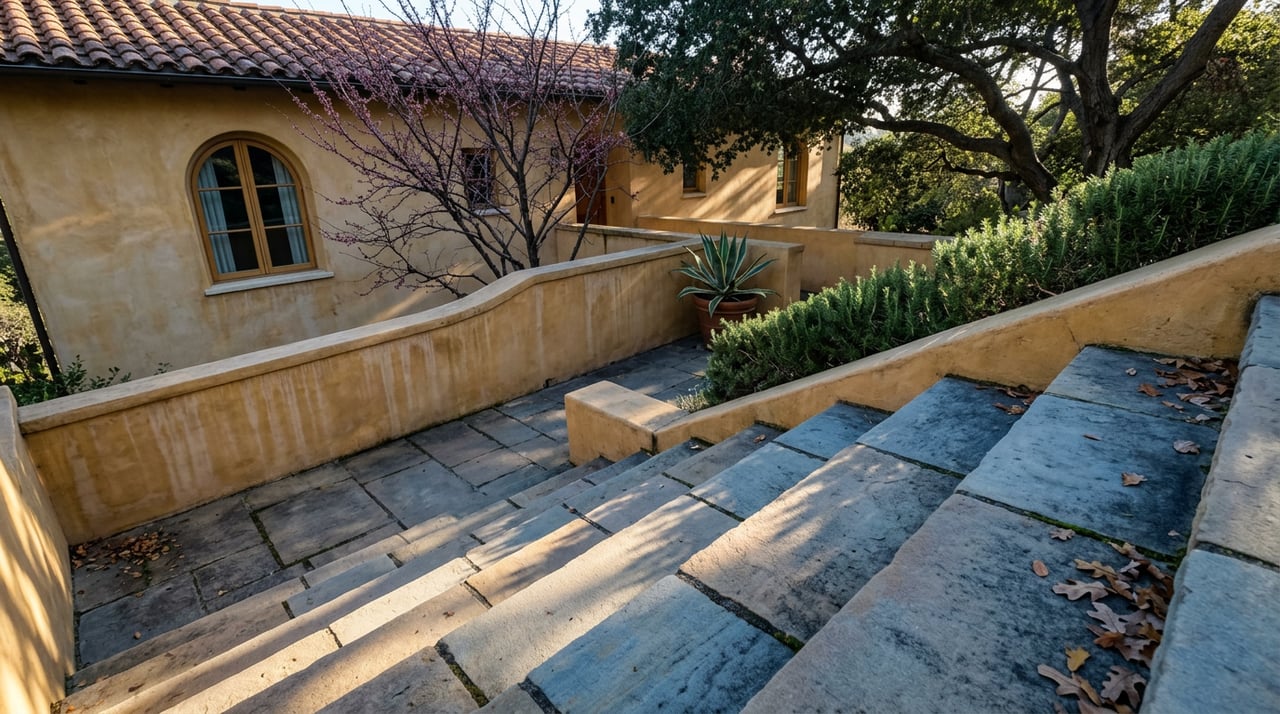
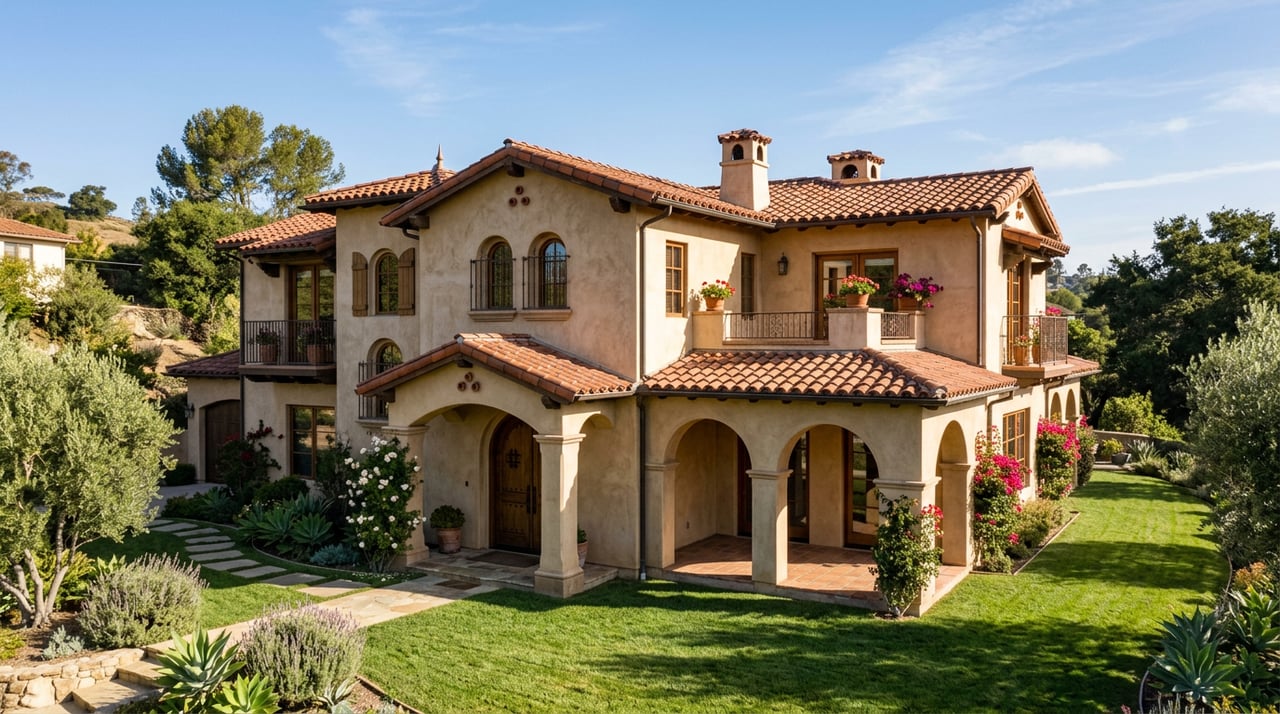
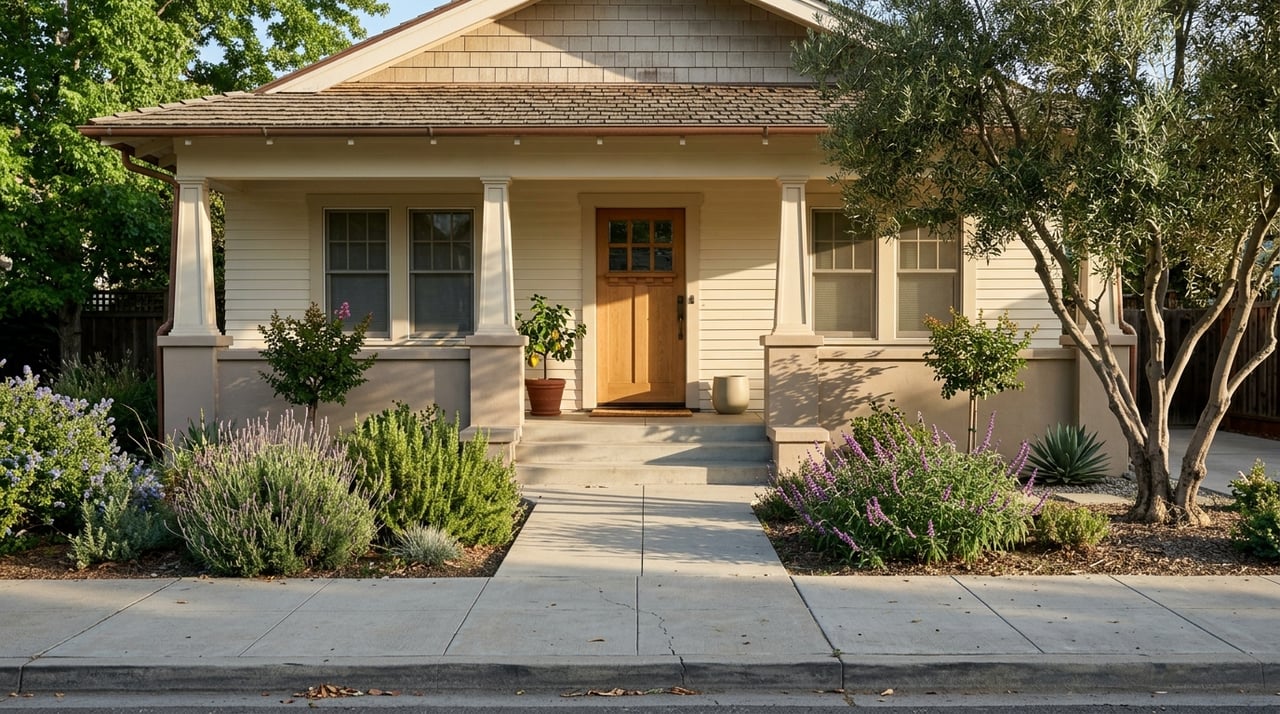
The residential blocks are a major part of Atwater Village’s identity. The Atwater Village Neighborhood Council says the neighborhood was first subdivided in 1912, and many Spanish-style homes, bungalows, and other distinctive housing types were built from the 1920s through the 1940s.
That history still shows up clearly in the streetscape today. Older homes with original details help define the neighborhood’s visual character, and they are part of why Atwater Village appeals to buyers who want more than a generic layout or a recently built shell.
About 90% of residences are single-family homes, according to the neighborhood council. That is a meaningful detail because it shapes the feel of the area, from block patterns to curb appeal to the way the neighborhood reads as you move through it.
What Buyers Often See Here
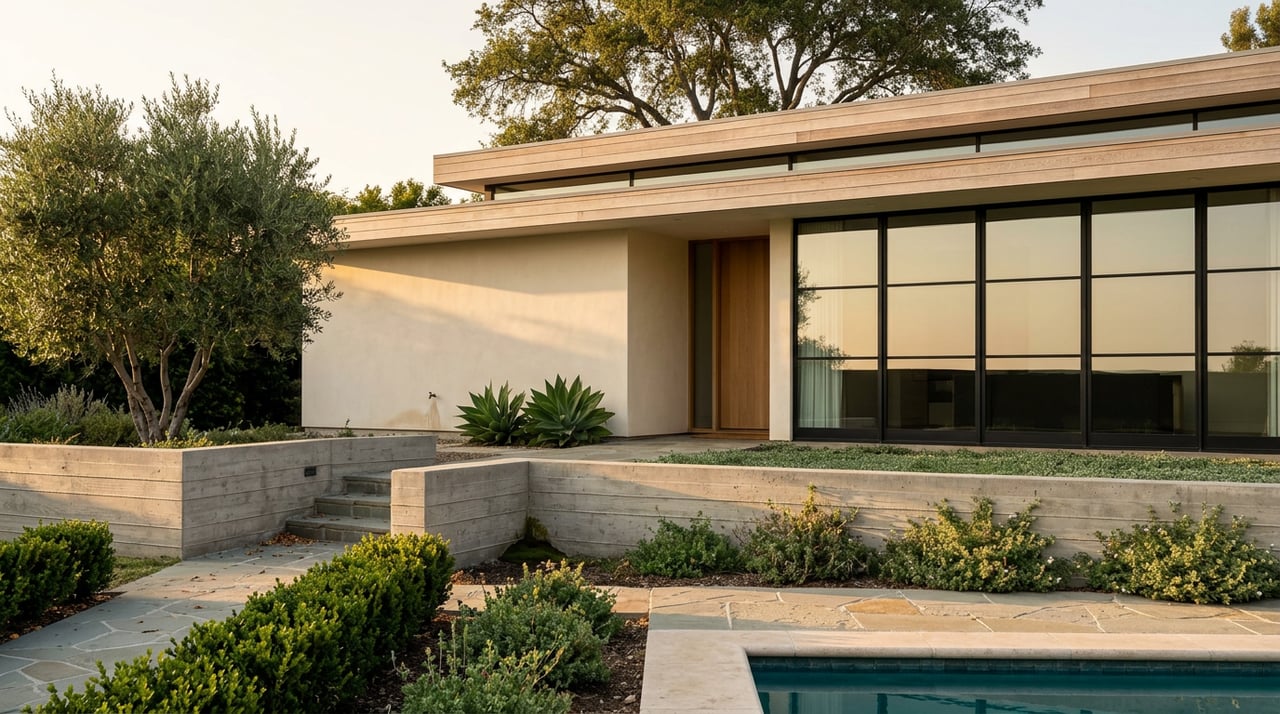
If you are home shopping in Atwater Village, you are often looking at properties with architectural personality and varying levels of update. Some homes may be more polished and turnkey, while others may offer room for selective improvements over time.
For design-aware buyers, that can be part of the appeal. In neighborhoods with older housing stock, details like layout, original features, natural light, outdoor space, and renovation potential often matter as much as square footage alone.
What the Market Looks Like
Atwater Village is firmly in premium-price territory. Redfin reports a median sale price of $1,412,025 for the three months ending May 2026, along with a median sale price per square foot of $1.09K, average days on market around 32, and a very competitive market where many homes receive multiple offers.
Other current sources show a similar general price range. Zillow reports an average home value of $1,261,471 and a median list price of $1,563,833, while Realtor.com places the median listing price around $1.5M and reports a 102% sale-to-list ratio.
For buyers, the practical takeaway is that Atwater Village usually requires both clarity and preparation. A reasonable neighborhood-wide starting point is often in the low-to-mid $1 million range, but exact pricing depends heavily on condition, location, lot, and architectural appeal.
Why Atwater Village Draws Design-Aware Buyers
Atwater Village has a strong emotional pull because it feels residential, creative, and usable all at once. You can picture daily life here pretty easily: coffee in the morning, a few shops on foot, time by the river, and a return to streets lined with older homes that still carry a sense of history.
That is often the sweet spot for Northeast Los Angeles buyers. You are not just buying access to amenities. You are buying into a neighborhood rhythm, a housing style, and a setting that feels distinct from many other parts of the city.
If you are comparing Atwater Village with nearby areas, this is where local context becomes especially important. Two neighborhoods can sit close together on a map and still offer very different experiences when it comes to architecture, block feel, outdoor access, and the balance between residential quiet and everyday convenience.
Seeing the Neighborhood Through a Real Estate Lens
When you tour Atwater Village, it helps to pay attention to more than the storefronts. Notice how the commercial pockets connect to the residential blocks, how close river access feels from the main streets, and where the character homes seem most intact.
If you are buying, that kind of close reading can help you understand value beyond headline price. In a neighborhood known for older homes and architectural charm, presentation, upkeep, and improvement potential can all shape how a property competes.
If you are selling, Atwater Village also rewards thoughtful preparation. In character-home neighborhoods, details like landscaping, paint, styling, and strategic updates can sharpen the story a home tells and help buyers connect with it more quickly.
Atwater Village is the kind of place that rewards attention. The more closely you look, the more you see how coffee spots, boutiques, river paths, and bungalow-lined streets work together to create a neighborhood that feels both relaxed and deeply considered.
If you are thinking about buying or selling in Atwater Village or nearby Northeast Los Angeles neighborhoods, Alyssa Valentine + Anselm Clinard can help you make sense of the market with clear guidance, design insight, and a thoughtful local perspective.
FAQs
What is Atwater Village known for in Los Angeles?
- Atwater Village is known for its mix of cafés, boutiques, river-adjacent outdoor space, and older single-family homes, especially Spanish-style houses and bungalows from the 1920s through the 1940s.
What kinds of homes are common in Atwater Village?
- Many homes in Atwater Village are single-family residences, and the neighborhood is especially known for bungalows, Spanish-style homes, and other early- to mid-20th-century properties with original character.
How walkable does Atwater Village feel for daily life?
- Atwater Village is well suited to a lifestyle where coffee, brunch, boutique shopping, and time near the river can fit into one day, especially around Glendale Boulevard and nearby commercial pockets.
Where can you walk near the river in Atwater Village?
- Local outdoor options include Atwater Village Riverwalk, North Atwater Park, and the Glendale Narrows Riverwalk, which is designed for pedestrians and bicyclists.
What price range should buyers expect in Atwater Village?
- Current published market data suggests many buyers should expect a starting point in the low-to-mid $1 million range, with reported median and average figures roughly spanning about $1.26 million to $1.56 million depending on the source and methodology.
Why do buyers compare Atwater Village with other Northeast Los Angeles neighborhoods?
- Buyers often compare Atwater Village with nearby Northeast Los Angeles areas because it offers a specific mix of architectural character, local shopping, café culture, and river access that can feel different from neighboring communities.