Trying to choose between Altadena and Pasadena? You are not alone. These neighboring foothill communities sit close together, but they offer very different day-to-day experiences, and the right fit usually comes down to how you want to live, not just what you want to spend. If you are weighing charm, architecture, walkability, and lifestyle, this guide will help you sort through the real differences. Let’s dive in.
Altadena vs Pasadena at a glance
If you only look at a map, Altadena and Pasadena can seem interchangeable. In practice, they feel distinct.
Altadena is an unincorporated Los Angeles County community north of Pasadena. It covers about 8.47 square miles and had a 2020 Census population of 42,846. Pasadena is an incorporated city that spans 22.96 square miles with a 2020 Census population of 138,699.
That difference in scale matters. Pasadena has a broader urban footprint and a more structured mix of business districts, while Altadena feels more residential, more tucked into the foothills, and more shaped by its open-space edges.
Setting and daily feel
Altadena feels quieter and more tucked away
Altadena is bordered by the Arroyo Seco, Angeles National Forest, and Eaton Canyon. County planning materials describe it as largely single-family, with commercial activity spread along corridors like Lake, Altadena Drive, Fair Oaks, Lincoln, and Washington. If you want to dive deeper into these residential pockets, check out our guide to Altadena.
That layout gives Altadena a more relaxed rhythm. You are less likely to feel like everything centers around one main downtown, and more likely to experience it as a series of residential pockets connected by longer neighborhood corridors.
The county also emphasizes access to parks, trails, and recreational amenities. If your ideal weekend includes heading toward open space rather than staying in a commercial district, Altadena may feel like a natural match.
Pasadena feels busier and more urban
Pasadena has a stronger district-based identity. City materials highlight places like Old Pasadena, Playhouse Village, South Lake, and Civic Center, each with its own role in shopping, dining, services, culture, or office activity. To learn more about living in these iconic districts, read our guide to Pasadena.
That creates a more active day-to-day environment. You have more concentrated retail, more dining options, and a stronger sense of distinct urban centers within the city.
The city reports more than 1,600 retail businesses and more than 700 restaurants. Old Pasadena alone spans 22 blocks and includes more than 300 businesses, while Playhouse Village and South Lake add even more options for errands, meals, and entertainment.
Housing character and architecture
Pasadena has more formal historic recognition
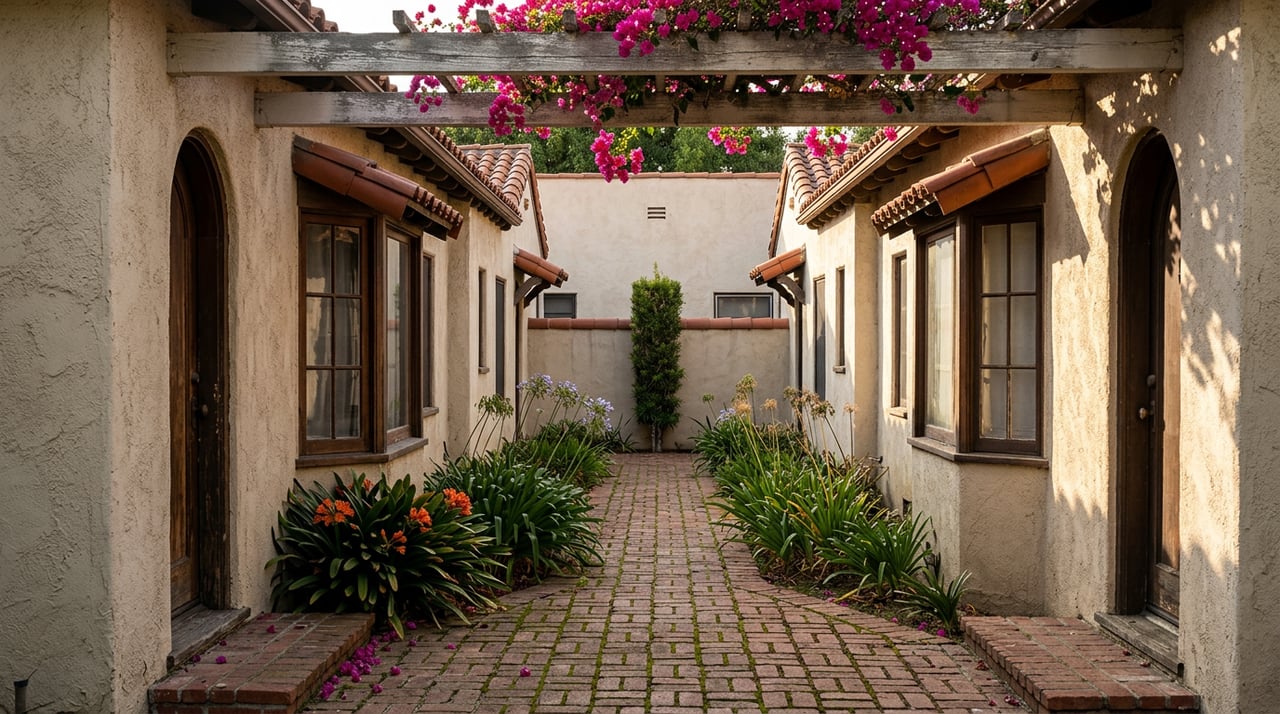
Pasadena is one of Southern California’s best-known architectural cities. Its official historic context statement identifies styles including Craftsman, California Bungalow, Spanish Colonial Revival, Monterey Colonial, Tudor Revival, Ranch, and Mid-century Modern.
The city’s housing element says 53% of Pasadena’s housing stock was built before 1960. That older housing base helps explain why so many parts of Pasadena feel architecturally established and why historic preservation plays a visible role in the city.
For you as a buyer, that can mean more neighborhood-scale consistency and more areas where architecture is part of the identity from block to block. If you want a city with strong historic character and formal recognition of that character, Pasadena stands out.
Altadena is more eclectic and home-by-home
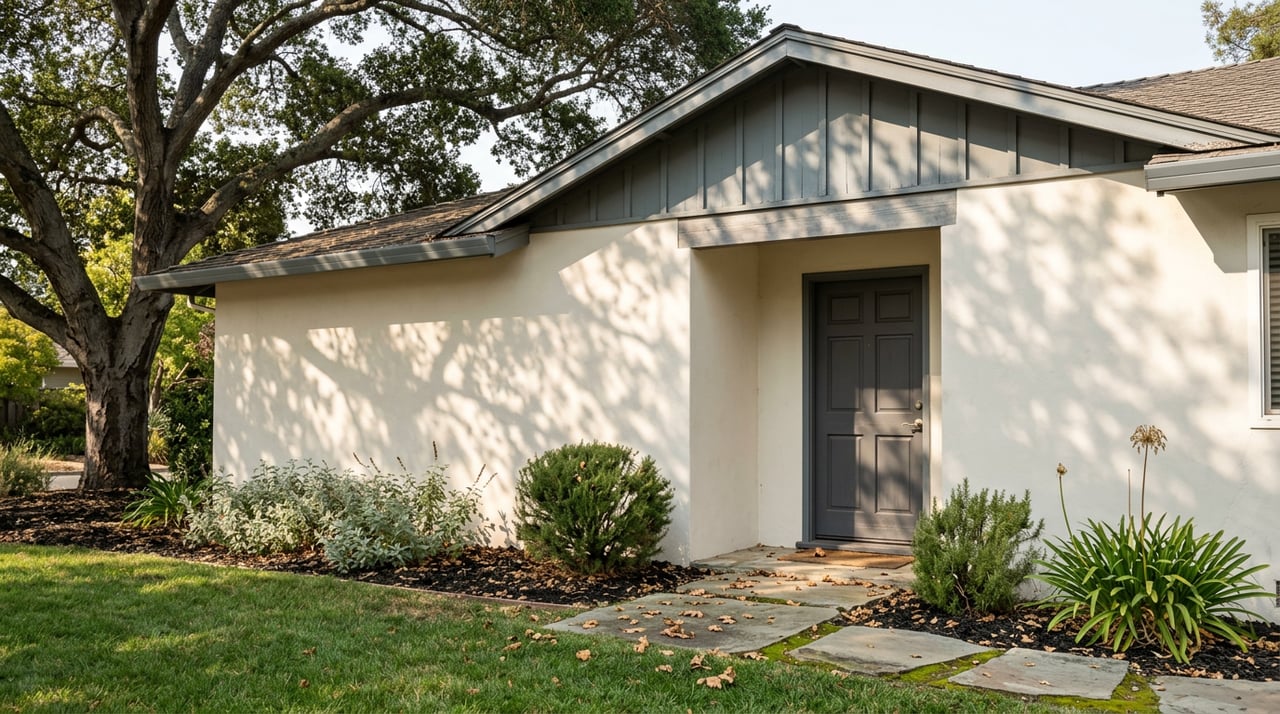
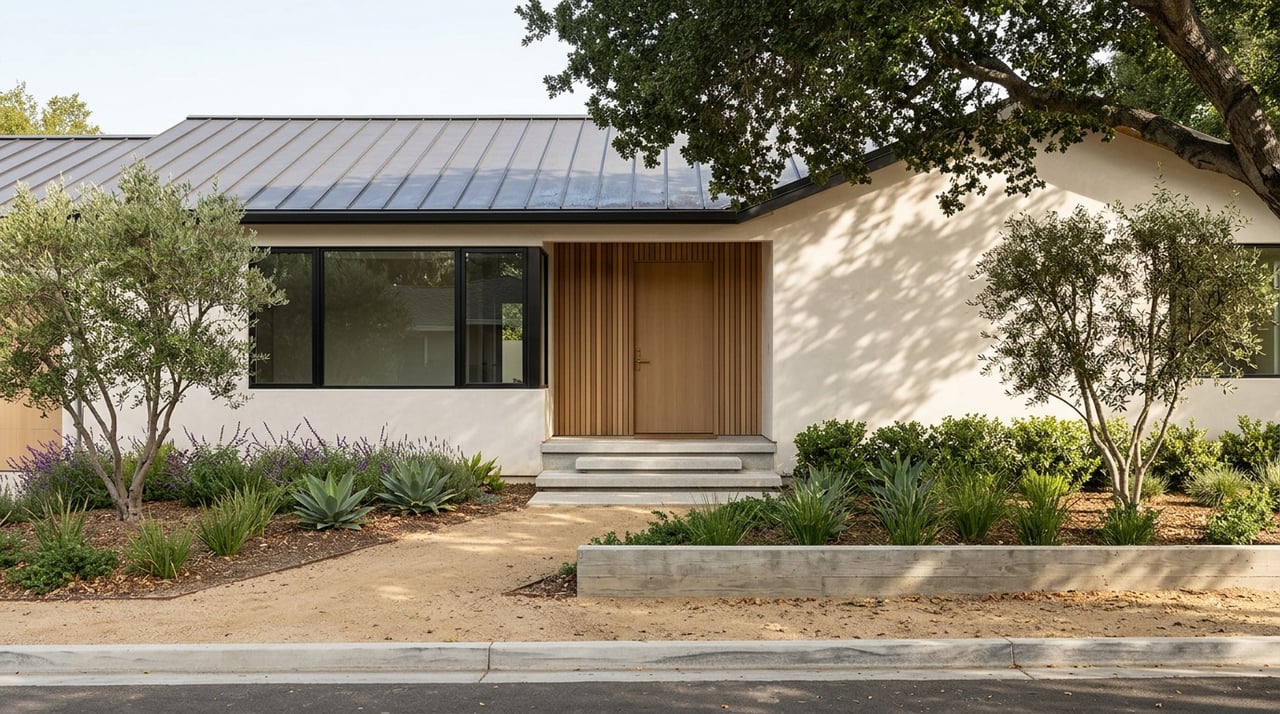
Altadena also has deep architectural character, but it reads differently. Altadena Heritage describes the community as architecturally diverse, with homes ranging from modest Craftsman bungalows to Italianate mansions and Modernist properties.
County planning materials note that many notable early properties predate the postwar boom, while later development added many ranch houses. The result is a place that can feel more eclectic, more layered, and more individual from one street to the next.
If you like architectural variety and enjoy discovering standout homes in a less uniform setting, Altadena has strong appeal. It often feels less formally curated than Pasadena and more personal in its housing mix.
Price comparison in 2026
Is Altadena cheaper than Pasadena?
Not in a meaningful way, based on current spring 2026 figures.
Redfin reports that over the three months ending April 2026, Altadena’s median sale price was $1,209,376. Pasadena’s median sale price over that same period was $1,224,368.
That is a very small gap. On a price-per-square-foot basis, Altadena was at $772 and Pasadena was at $800, so Pasadena was only modestly more expensive on a size-adjusted basis.
For most buyers, this means the decision is less about finding a major discount and more about choosing the lifestyle, setting, and housing type that best fits your priorities.
Market pace looks a little different
The same Redfin data shows Altadena homes averaging 7 offers and 42 days on market, while Pasadena homes averaged 4 offers and 33 days on market.
Those numbers suggest that both markets are competitive, but not in exactly the same way. Altadena may see stronger competition on certain listings, while Pasadena may move a bit faster overall.
This is where strategy matters. If you are buying in either area or considering selling a home in Pasadena, it helps to look beyond headline pricing and focus on how specific property types are performing.
Walkability, transit, and errands
Pasadena is stronger for walkability
If your priority is being able to run errands, meet friends, grab coffee, or access transit more easily, Pasadena has the edge.
Redfin gives Pasadena a walk score of 69 and a transit score of 51. Those numbers line up with what the city’s district structure already suggests: Pasadena supports a more walkable, connected daily routine in many areas.
Old Pasadena has two rail stops, and places like Playhouse Village and South Lake bring shopping, dining, and services together in concentrated areas. If you want more choices close at hand, Pasadena is likely to feel more convenient.
Altadena is more uneven but more open-space oriented
Altadena offers a different kind of daily life. County planning documents note that many neighborhood roads lack sidewalks, fixed transit is limited in the northern part of the community, and bus frequency does not fully meet resident needs.
Redfin gives Altadena a walk score of 51 and a bike score of 44. The county also notes about seven miles of designated bikeways, along with significant network gaps.
So while Altadena can work well if you value residential calm and access to nature, it is generally less convenient for a walk-heavy or transit-heavy routine. You may trade some day-to-day ease for more space, quieter streets, and closer proximity to trails and foothill landscapes—much like planning a day at Cherry Canyon and Descanso Gardens in the neighboring foothills.
Ownership patterns and housing mix
Census data points to another useful difference. Altadena’s owner-occupied rate is 78.3%, while Pasadena’s is 42.5%.
That comparison should be read directionally, since the Census vintages differ slightly. Still, it supports the broader picture: Altadena leans more toward detached, owner-occupied residential living, while Pasadena has a more mixed housing stock and a larger renter presence.
If you are looking primarily for a single-family residential environment, Altadena may align more naturally with that goal. If you want more housing variety and a more urban mix, Pasadena may offer more options.
Which neighborhood fits your lifestyle?
Altadena may fit you if you want:
- A tucked-away foothill setting
- A more residential, single-family feel
- Easier access to parks, trails, and open space
- An eclectic mix of architectural styles
- A quieter day-to-day environment
Altadena tends to appeal to buyers who want character and breathing room, even if that means less walkability and fewer concentrated commercial hubs.
Pasadena may fit you if you want:
- A busier urban rhythm
- More shopping and dining choices nearby
- Stronger walkability and transit options
- Distinct commercial districts with different vibes
- Historic architecture at a neighborhood scale
Pasadena often works well for buyers who want architectural charm without giving up convenience. It offers more of a city experience while still keeping that foothill setting.
The decision is more about lifestyle than price
Because current pricing is so close, the real question is how you want your day to feel. Do you picture a quieter residential setting near trails and hillside edges, or do you want more errands, restaurants, and activity built into your routine?
Both Altadena and Pasadena offer strong architectural character and real foothill appeal. The better choice depends on whether you are drawn more to open-space living and eclectic housing, or to urban convenience and district-based city life.
If you are comparing specific blocks, home styles, or renovation potential in either neighborhood, working with a team that understands both design and market nuance can make the decision much clearer. For broader context on the area's real estate options, browse our complete neighborhood guide. If you want help weighing Altadena versus Pasadena based on your budget, lifestyle, and the kind of home you are after, reach out to Alyssa Valentine + Anselm Clinard.
FAQs
Is Altadena cheaper than Pasadena for home buyers?
- Not by much in the spring 2026 data. Altadena’s median sale price was $1,209,376 and Pasadena’s was $1,224,368 over the three months ending April 2026.
Is Pasadena more walkable than Altadena?
- Yes. Pasadena has a higher walk score at 69 and a transit score of 51, while Altadena’s walk score is 51 and its pedestrian and transit access are more uneven.
Does Altadena or Pasadena have more historic architecture?
- Both do, but in different ways. Pasadena has more formal historic recognition at the district level, while Altadena is more eclectic and varied from one home to the next.
Is Altadena quieter than Pasadena?
- In general, yes. Altadena’s residential layout, open-space edges, and thinner commercial grid create a quieter feel than Pasadena’s more urban district structure.
Is Altadena or Pasadena better for single-family homes?
- Altadena generally leans more heavily toward single-family, owner-occupied living, while Pasadena has a more mixed housing stock and a larger renter presence.
Should you choose Altadena or Pasadena based on price alone?
- Probably not. With current median prices so close, lifestyle, housing type, walkability, and access to open space are usually the more important deciding factors.