By Alyssa Valentine & Anselm Clinard
Silver Lake's housing stock is one of the most architecturally rich in Los Angeles. We work with historic homes here constantly — buying, selling, and preparing them for market — and we've come to understand that owning one is a different kind of stewardship than owning a newer build. The 1920s Craftsman bungalows, Spanish Revival cottages, and mid-century moderns that define the neighborhood have genuine character worth protecting. They also have infrastructure that reflects their age, and staying ahead of that is what separates a well-maintained historic home from one that becomes a headache at inspection.
Key Takeaways
- Silver Lake's historic homes span Craftsman, Spanish Revival, and mid-century modern styles, each with specific maintenance priorities
- Older infrastructure — galvanized plumbing, outdated electrical panels, unreinforced foundations — is the category that creates problems at inspection and at sale
- The Mills Act and Historic Preservation Overlay Zone (HPOZ) designations affect what changes you can make and what incentives you may qualify for
- Restoring original features rather than replacing them almost always serves the home's value better in this market
Know What You're Working With: Style-Specific Maintenance Priorities
The first step in maintaining a Silver Lake historic home is understanding what your specific architectural style demands. A Craftsman and a Spanish Revival have different vulnerabilities, different materials, and different preservation priorities.
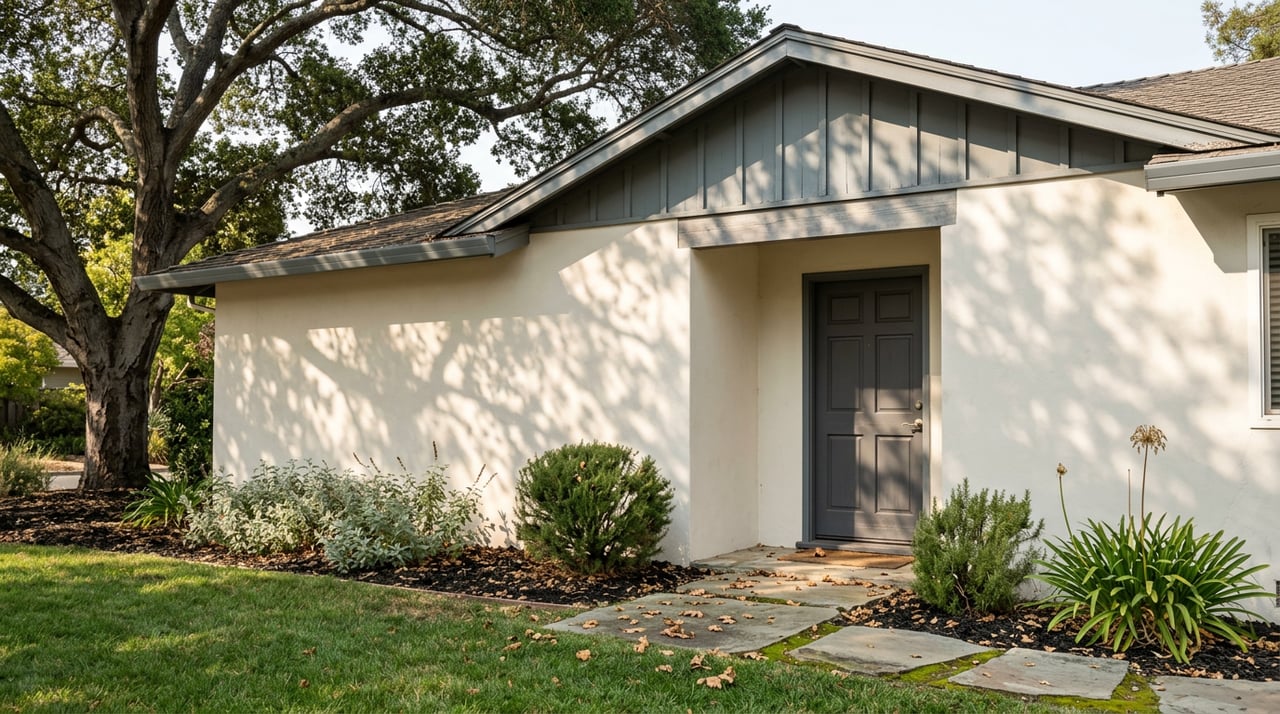
Silver Lake grew in distinct waves — Craftsman bungalows arrived in the early 1900s, Spanish Revival and Mediterranean forms defined the 1920s and 1930s, and mid-century modern spread across the hillsides after World War II. Each era left behind a different set of maintenance needs.
Silver Lake grew in distinct waves — Craftsman bungalows arrived in the early 1900s, Spanish Revival and Mediterranean forms defined the 1920s and 1930s, and mid-century modern spread across the hillsides after World War II. Each era left behind a different set of maintenance needs.
What to Watch By Style
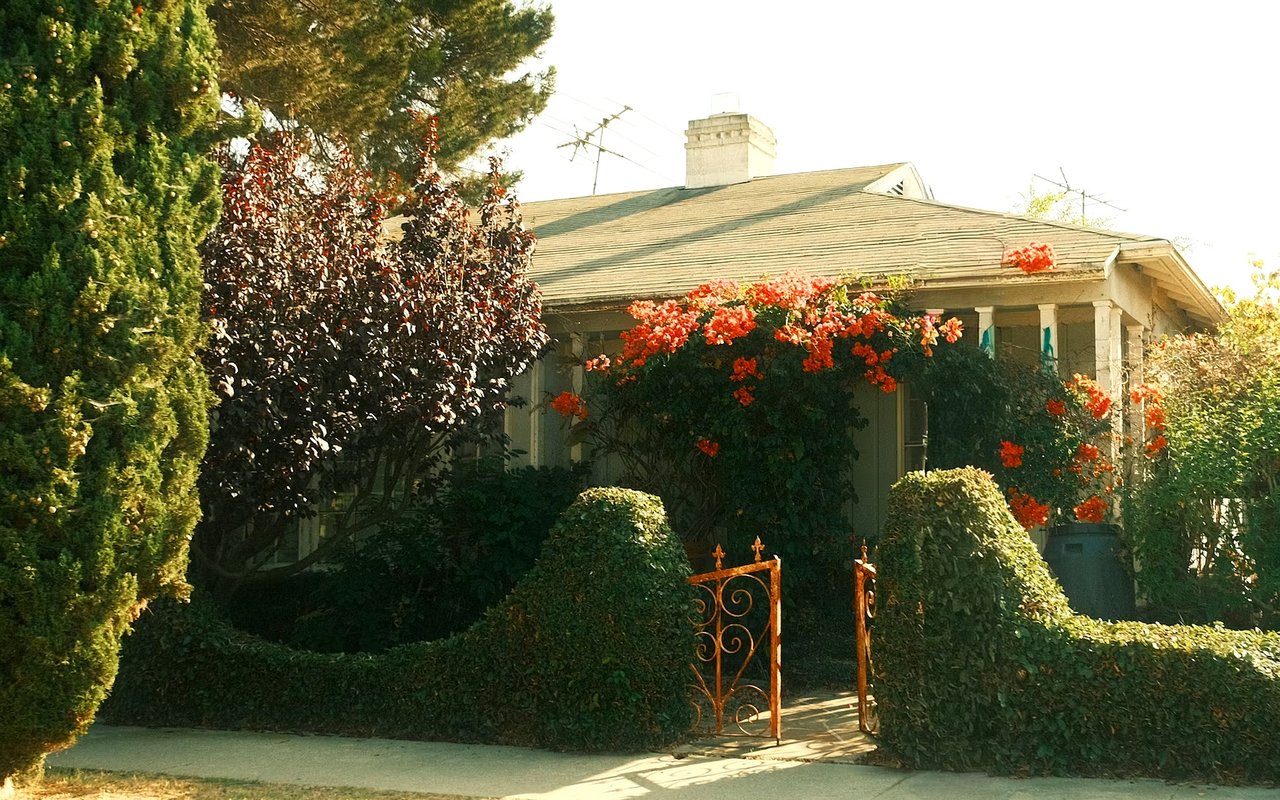
- Craftsman: original wood windows, built-in millwork, and exposed rafter tails are defining features worth preserving; wood rot and deferred paint maintenance are the most common problems; original hardwood floors refinish well and should be restored rather than replaced
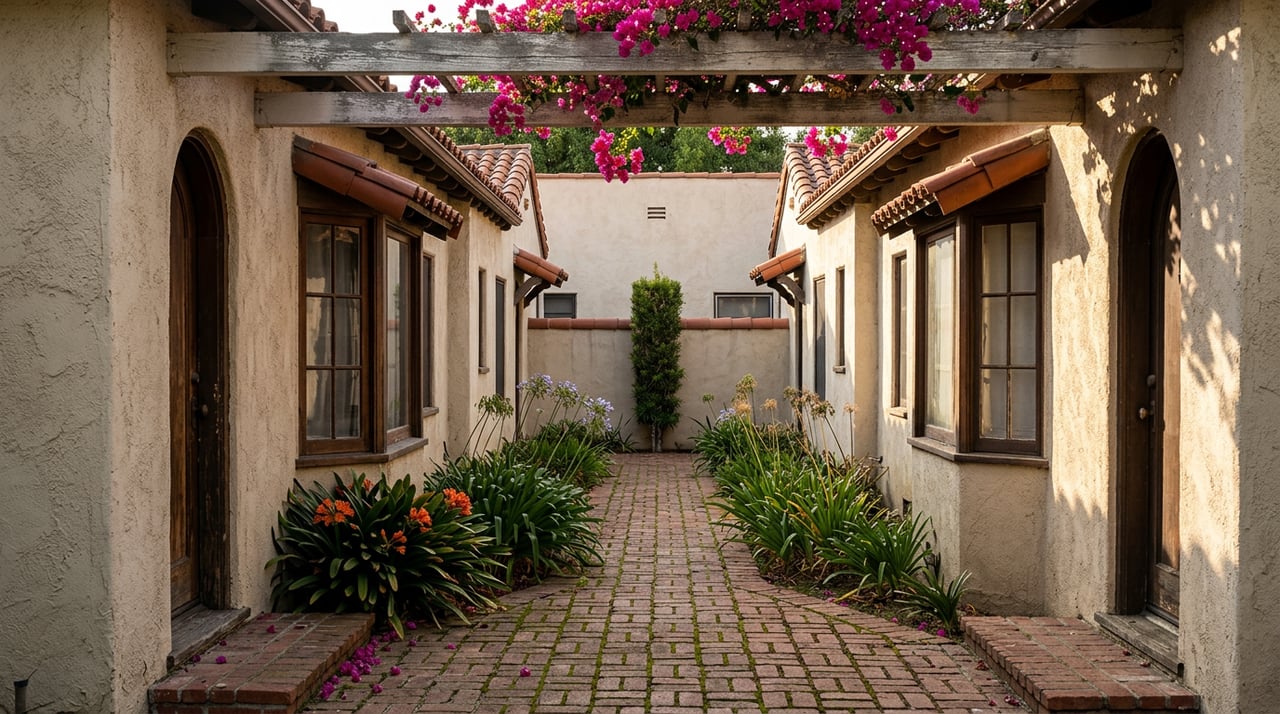
- Spanish Revival: stucco exteriors need regular inspection for cracks and moisture intrusion at the foundation line; clay barrel tile roofs are long-lasting but require careful repair with matched tiles rather than generic substitutes; wrought iron hardware and arched openings are character-defining and should be maintained, not removed
- Mid-century modern: large glass walls and sliding doors are central to the architecture and worth investing in to maintain or restore; flat or low-slope roofs require more frequent inspection than pitched roofs; original built-in cabinetry and paneling are assets that period buyers specifically seek
For all three styles, the character-defining features are what buyers in Silver Lake are paying for. Removing or covering them — even with good intentions — typically works against the home's value.
The Infrastructure Reality: What Older Homes Actually Need
Silver Lake's housing stock skews heavily toward pre-WWII construction, and the systems in those homes reflect their age. Galvanized steel supply pipes, knob-and-tube wiring remnants, 60-amp electrical panels, and foundations that predate modern seismic standards are common findings in buyer inspections across the neighborhood.
These aren't reasons to avoid historic homes. They're the maintenance reality that owners need to plan for.
These aren't reasons to avoid historic homes. They're the maintenance reality that owners need to plan for.
Priority Infrastructure Upgrades for Silver Lake Historic Homes
- Plumbing: galvanized supply lines restrict water flow over time and fail pressure tests; copper or PEX repiping is common, effective, and can be done without disturbing historic finishes when done carefully
- Electrical: knob-and-tube wiring and undersized panels are flagged by buyers and insurers; a panel upgrade and rewiring to modern code is a significant investment but a necessary one on pre-1950s homes
- Foundation and seismic: unreinforced cripple walls are a known vulnerability in older Los Angeles homes; soft-story retrofitting has been addressed under city mandate for multi-unit buildings, and single-family owners on hillside lots should have their foundation conditions assessed by a structural engineer
- Roof: clay tile on a Spanish Revival and wood shingle or composition on a Craftsman both require twice-yearly inspections; address flashing failures and cracked or missing tiles before they become a moisture problem inside the home
Getting ahead of these systems is the difference between routine maintenance and an emergency repair during escrow.
Preservation Rules: HPOZ, Mills Act, and What They Mean for You
Silver Lake contains one of the largest historic districts in Los Angeles, with over 1,000 properties recorded in the Silver Lake Residential Historic District. Some homes fall within designated Historic Preservation Overlay Zones, which require approval for exterior alterations. Others may qualify for Mills Act contracts through the City of Los Angeles.
Understanding which designation applies to your home shapes what you can change and what financial incentives you may access.
Understanding which designation applies to your home shapes what you can change and what financial incentives you may access.
What Owners Should Know About HPOZ and Mills Act
- HPOZ designation means exterior modifications — window replacements, additions, new fencing, changes to roofline — require review by the HPOZ board before permits are pulled; working with a contractor experienced in historic preservation compliance is essential
- Mills Act contracts offer significant property tax reductions — often 40% to 60% — in exchange for a commitment to maintain and restore the property according to preservation standards; qualifying homes include Historic-Cultural Monuments, HPOZ contributing structures, and properties listed in the California or National Register
- Non-designated homes still have obligations to disclose any alterations if they're contributing structures in a historic area — check with the LA Department of City Planning's Office of Historic Resources before starting any exterior project
- Permits matter: every project touching structure, electrical, plumbing, or gas in the City of Los Angeles requires a permit from LADBS; unpermitted work on a historic home is a disclosure obligation at sale and a negotiating point for buyers
If you're unsure of your home's status, confirm it before starting any project. The answer changes what's required.
Restoring vs. Replacing: The Principle That Protects Value
The consistent guidance from preservation professionals — and the consistent lesson from what we see at sale — is that original features should be restored rather than replaced wherever possible. A repaired original wood window costs more in the short term than a vinyl replacement but serves the home's value significantly better.
This applies to floors, millwork, tile, ironwork, and the structural elements that define the home's style.
This applies to floors, millwork, tile, ironwork, and the structural elements that define the home's style.
Where Restoration Beats Replacement in Silver Lake
- Original wood windows: weatherstripping, reglazing, and repainting extend the life substantially; period-appropriate wood replacements that match the original profiles are the right call when replacement is unavoidable
- Hardwood floors: refinishing original Douglas fir or oak floors is almost always preferable to covering or replacing them; buyers in this market recognize and pay for the real thing
- Original tile: hand-painted Saltillo and Talavera tile in Spanish Revival kitchens and bathrooms are irreplaceable; repair or source matched tiles rather than removing
- Stucco: repairs should use a matching mix — modern Portland cement stucco is harder than traditional lime stucco and can crack the original substrate if applied over it; work with a plasterer who understands the difference
The buyers who are drawn to Silver Lake's historic homes are specifically looking for what makes them different from new construction. Protecting those features is the most direct way to protect the investment.
FAQs
Do I need special permits to update systems in a historically designated Silver Lake home?
Yes. Any work touching electrical, plumbing, gas, or structure requires permits through LADBS regardless of historic status. If the home is within an HPOZ, exterior changes also require HPOZ board approval. Interior work generally does not require historic review, but it does require standard building permits for permitted trades work.
Does having a historic designation hurt my ability to renovate?
It constrains exterior changes more than interior ones, but it doesn't prevent renovation. Many Silver Lake homeowners have successfully updated kitchens, bathrooms, and systems while maintaining their historic designation. The key is working with contractors who understand the approval process and pull permits correctly.
Is a Mills Act property worth more at sale?
A Mills Act designation transfers with the property and the associated tax benefit transfers to the new owner for the remaining contract term. In a market like Silver Lake where buyers understand and value historic designation, a Mills Act property with documented maintenance history is genuinely attractive — it offers reduced carrying costs and a demonstrated commitment to preservation.
Buy or Sell a Historic Home in Silver Lake With Valentine & Clinard
We've worked with historic homes throughout Silver Lake, Los Feliz, and Northeast LA for years — buying them, preparing them for sale, and guiding buyers through what they're actually taking on. We know this architectural landscape well enough to give you specific, honest guidance rather than general advice.
Reach out to us to learn more about how we work with historic homes across Northeast Los Angeles.
Reach out to us to learn more about how we work with historic homes across Northeast Los Angeles.