By Alyssa Valentine + Anselm Clinard
We've renovated properties all across Northeast Los Angeles, and one thing holds true regardless of the neighborhood or property type: energy efficiency upgrades are some of the highest-returning investments a homeowner can make. The Craftsman bungalows of Highland Park, the Spanish Revivals of Los Feliz, and the mid-century homes above Silver Lake Reservoir all share an opportunity to perform better, cost less to run, and appeal more to buyers when it's time to sell. The good news is you don't need a full renovation budget to see meaningful results. Here's how to approach it.
Key Takeaways
- The right sequence matters — seal air leaks before adding insulation, and insulate before upgrading your HVAC
- Some of the highest-ROI energy upgrades cost less than $500
- California and LADWP offer rebates and programs that reduce the upfront cost of major upgrades
- Energy-efficient homes consistently command stronger offers from buyers in the Los Angeles market
Start With Air Sealing — It Delivers the Fastest Return
The single most cost-effective energy upgrade available to any homeowner is air sealing, and it's the one most people overlook. Professional whole-house air sealing typically runs $300 to $1,500 and can save an average of 15 percent on heating and cooling costs according to ENERGY STAR — often paying for itself within two years. In older Northeast LA homes, where wood-frame construction and decades of settling create gaps around windows, doors, plumbing penetrations, and attic hatches, air leaks are a primary driver of wasted energy.
Where to focus air sealing efforts:
- Attic hatch and attic floor penetrations: Heat escapes fastest at the top of the house
- Around window and door frames: Particularly in homes that have been painted over many times, which can seal gaps temporarily before they reopen
- Plumbing and electrical penetrations through walls and floors
- Basement and crawl space rim joists, where significant cold air infiltration occurs in homes with raised foundations
Add Insulation — Especially in the Attic
Once the envelope is sealed, insulation is where your dollar works hardest. Attic insulation typically costs $1,500 to $3,500 and can save $200 to $400 per year on energy costs. The per-dollar return on insulation runs four to five times higher than window replacement, which gets far more attention but delivers a fraction of the savings relative to cost. For Los Angeles homeowners, the attic is the highest-priority area: with strong sunlight year-round, an under-insulated attic adds significant load to your cooling system every summer.
Insulation upgrade priorities for LA homes:
- Attic insulation to current code levels: R-38 or higher is the current California standard for existing homes
- Wall insulation for older construction: Many Northeast LA homes built before the 1980s have little to no wall insulation
- Duct sealing and insulation: Leaky ducts in unconditioned attics can waste 20 to 30 percent of the conditioned air your HVAC system produces before it reaches your living space
Upgrade to a Smart Thermostat
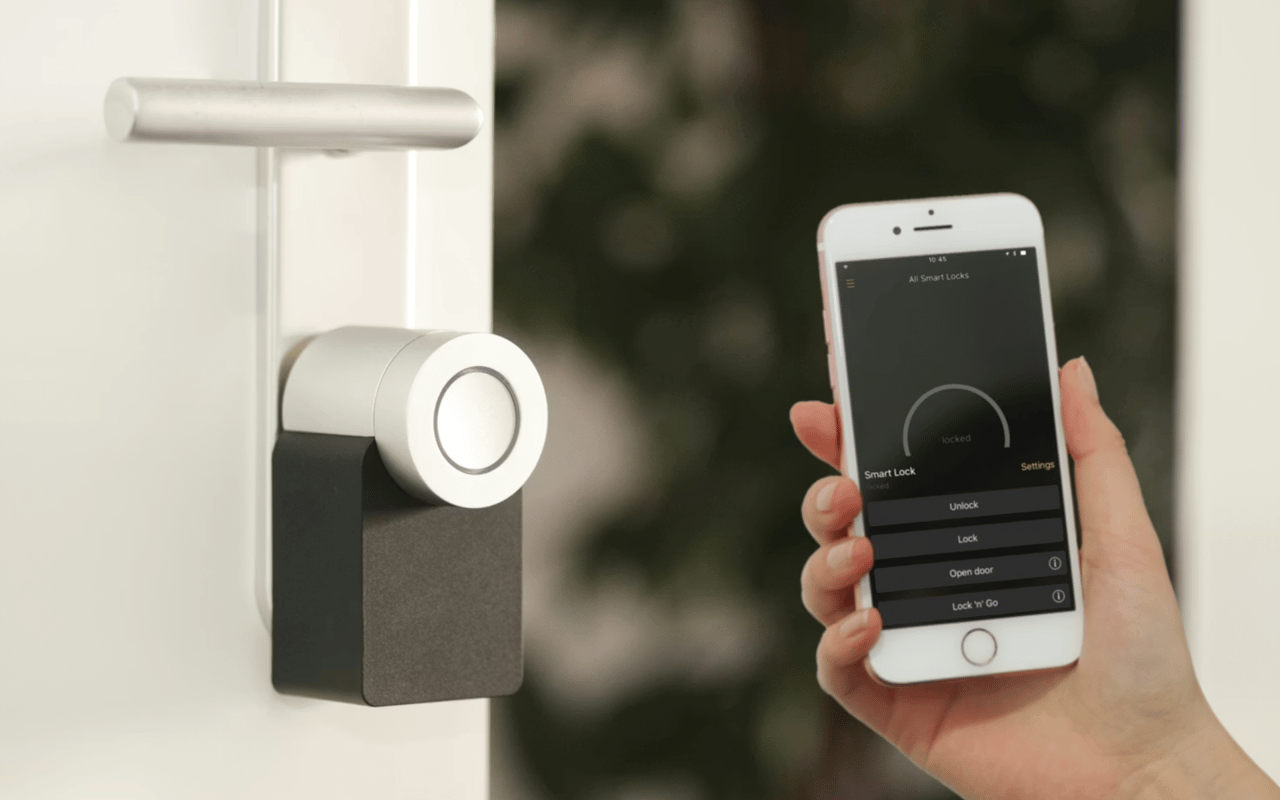
A smart thermostat is one of the most accessible energy efficiency upgrades available, with installed costs typically ranging from $150 to $300. Unlike a standard programmable thermostat, a smart thermostat learns your household's patterns and adjusts automatically — preventing your cooling system from running at full capacity to an empty house during the day and restoring comfort before you arrive home. For homes in Northeast LA where summer cooling loads are real but mild-weather months are long, this kind of demand optimization adds up meaningfully over a full year.
What to look for in a smart thermostat:
- Compatibility with your existing HVAC system, including any multi-stage or zoned configurations
- Remote control via smartphone app for adjustments when you're away from home
- Utility rebate eligibility: LADWP offers rebates on qualifying smart thermostats, which can offset a significant portion of the purchase price
- Energy usage reporting, which shows you patterns and helps identify further savings opportunities
Switch All Lighting to LED
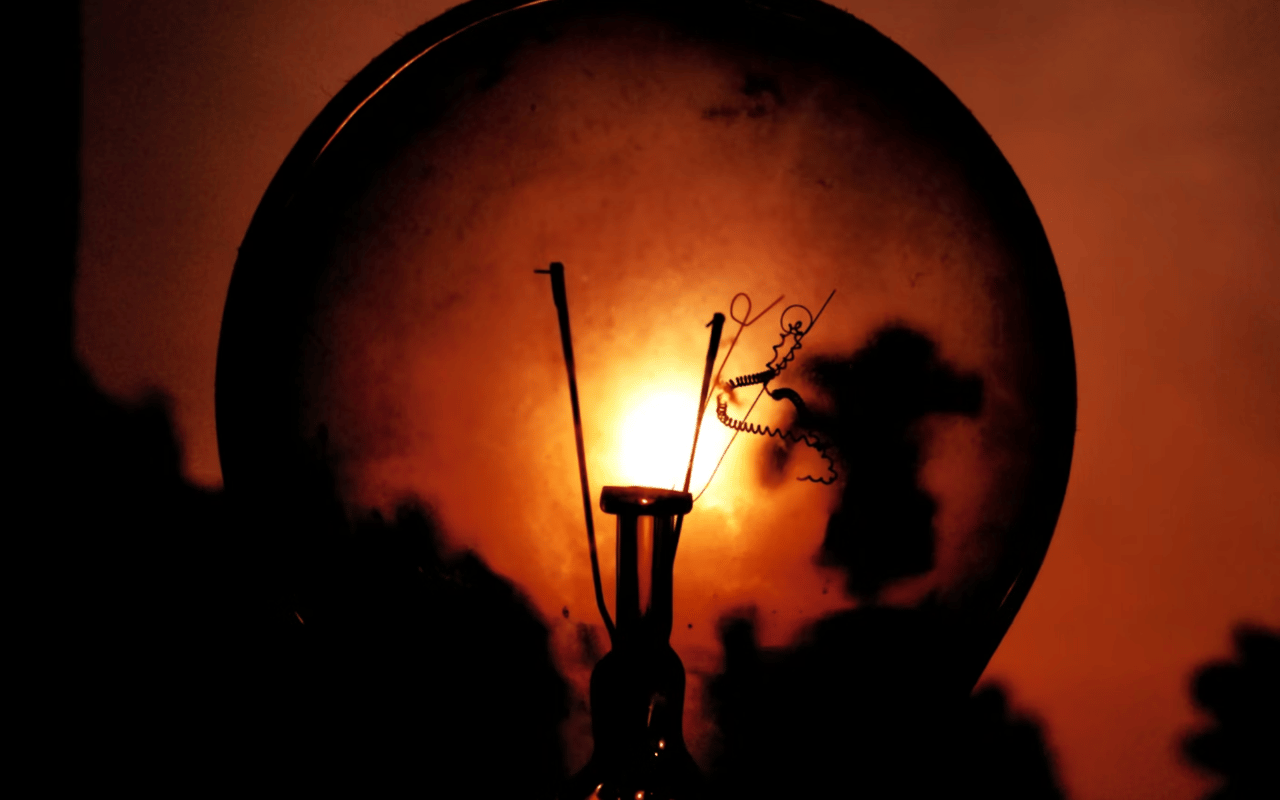
LED lighting uses roughly 75 percent less energy than incandescent bulbs and lasts up to 25 times longer. Most LED bulbs pay for themselves within six to twelve months through energy savings alone. For a home with older lighting throughout, a full LED conversion is one of the quickest wins available with no contractor required. When paired with occupancy sensors in bathrooms, hallways, and utility spaces, the savings compound further by eliminating energy draw in rooms that aren't actively in use.
Lighting upgrades worth prioritizing:
- Full LED conversion throughout the home, focusing on high-use areas first — kitchen, living room, and any outdoor fixtures that run overnight
- Occupancy sensors in bathrooms, laundry rooms, garages, and hallways
- Dimmer switches compatible with LED bulbs in living and dining spaces
- Outdoor LED fixtures with photocell or timer controls to eliminate all-night draws on exterior lighting
Consider Energy-Efficient Windows — But Prioritize Strategically
Window replacement gets significant attention, but the ROI math deserves honest treatment. ENERGY STAR windows deliver strong resale returns — approximately 72 percent ROI at resale — and they do reduce heat transfer and air infiltration. However, the annual energy savings alone are modest relative to the cost: replacing drafty windows typically saves $125 to $340 per year on heating and cooling, making the payback period long when energy savings are the only measure. In Northeast LA, window upgrades make the most sense when existing windows are single-pane, original to the home's construction, or show visible signs of seal failure.
When window upgrades make financial sense in LA:
- Single-pane windows throughout: The efficiency gap between single-pane and modern double-pane Low-E glass is substantial in warm climates
- Windows facing south or west on sun-exposed elevations: Where solar heat gain is the primary driver of cooling costs
- Homes being prepared for sale: Updated windows are a visible, tangible upgrade that resonates with buyers
Take Advantage of California Programs and Rebates
California and LADWP offer several programs that reduce the real cost of energy efficiency upgrades for Los Angeles homeowners. The 2025 California Energy Code, which took effect January 1, 2026, sets higher efficiency standards for renovations, and LADWP's Home Energy Improvement Program provides free assessments and efficiency upgrades for qualifying customers. The state's GoGreen Home program offers zero-fee loans for energy-efficient improvements available to a broad range of homeowners. These programs can meaningfully change the cost calculation on upgrades that might otherwise seem out of reach.
Programs worth exploring before starting any upgrade:
- LADWP Home Energy Improvement Program: Free home assessment and upgrades for qualifying residential customers
- LADWP Attic Insulation Rebate Program: Rebates on attic insulation upgrades for existing homes
- California GoGreen Home loans: Zero-fee financing for energy-efficient improvements across a wide range of credit profiles
- LADWP smart thermostat rebates: Direct rebates on qualifying devices purchased and installed by customers
FAQs
Do energy-efficient upgrades increase home value in Los Angeles?
Yes, reliably. Energy-efficient homes consistently sell for more in the LA market because buyers factor in the cost of ownership, not just the purchase price. Lower utility bills, modern systems, and California code compliance all signal a well-maintained, future-ready property. Studies indicate energy-efficient homes command a premium of 2 to 8 percent over comparable properties with higher operating costs.
What is the best place to start if I have a limited budget?
Start with air sealing. No other upgrade delivers a better ratio of savings to investment — costs run $300 to $1,500, payback is often under two years, and it makes every other upgrade that follows more effective. After that, a smart thermostat and full LED conversion round out the highest-return low-cost improvements available.
How does California's updated Energy Code affect existing homeowners?
The 2025 California Energy Code, effective January 1, 2026, primarily governs new construction and major additions or alterations. If you're doing a significant renovation — adding a room, replacing your HVAC system, or making structural changes — your project will likely need to meet updated efficiency standards. For purely cosmetic or minor upgrades, the new code does not apply retroactively to existing homes.
Make Smart Upgrades to Your Northeast LA Home With Valentine & Clinard
We've personally renovated more than fifteen properties across Los Angeles, and we bring that hands-on perspective to every client relationship — whether you're buying, selling, or figuring out where to put your renovation dollars to work. We understand what buyers respond to in this market, and we can help you identify which upgrades will actually move the needle on your home's value. Reach out to us to learn more about how we help homeowners get the most from their properties in Northeast Los Angeles and let's start a conversation.