By Alyssa Valentine + Anselm Clinard
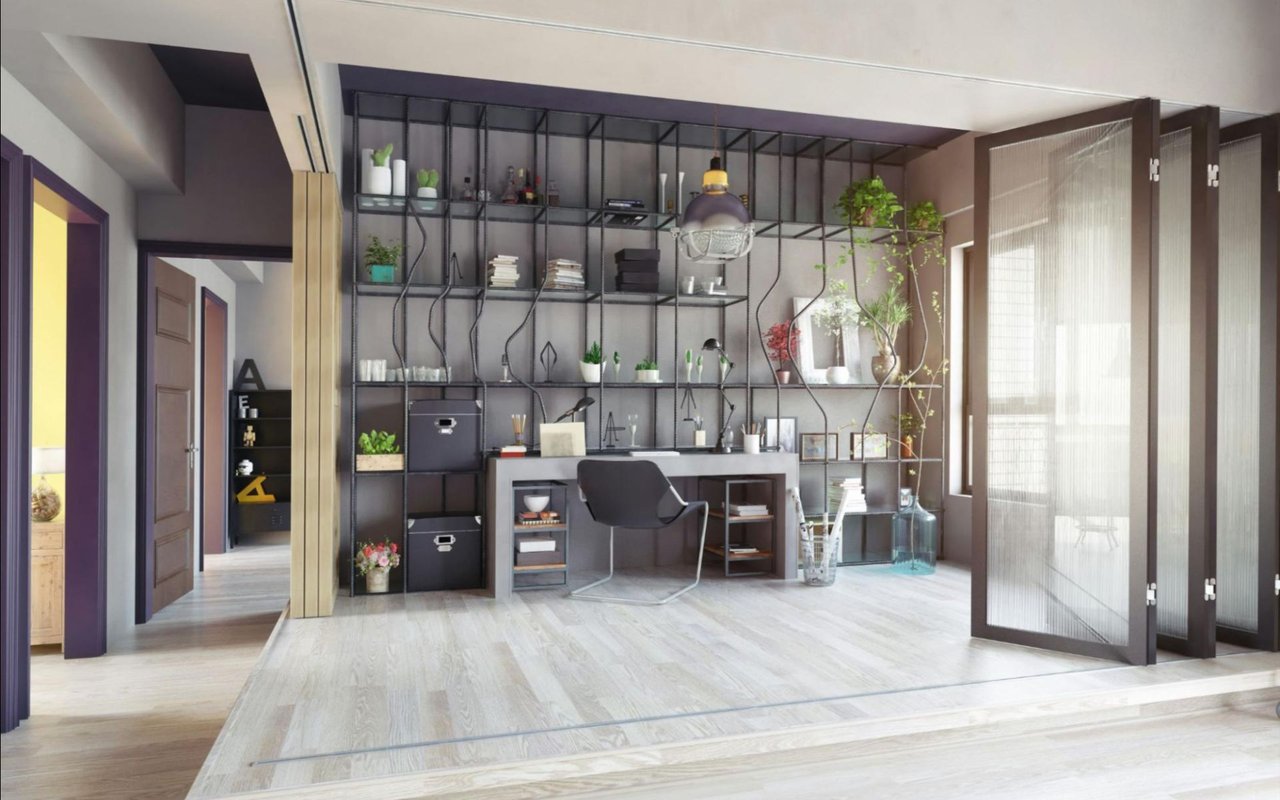
We've renovated dozens of properties across Northeast Los Angeles, and one of the most consistent requests we hear from buyers and owners alike is for a dedicated, well-designed home office. Whether you're negotiating a full renovation or simply rethinking an underused room in your Silver Lake bungalow or Atwater Village Craftsman, getting the home office right pays off in daily productivity and long-term home value. Here's what actually matters.
Key Takeaways
- Location, light, and acoustics are the foundation of a functional home office
- Ergonomic furniture is a long-term investment in both your health and your output
- Technology infrastructure — reliable Wi-Fi, good camera setup, proper cable management — is as important as the furniture
- In LA homes with limited square footage, multi-functional design solves the space problem without sacrificing function
Start With the Right Space
Not every room is equally suited for a home office, and in the varied floor plans of Northeast LA homes — from split-level mid-centuries in Los Feliz to compact hillside retreats above Echo Park — choosing well matters. You want a room that can be physically separated from main living areas when focus is required. Proximity to natural light is worth prioritizing over square footage; a smaller room with a well-placed window will serve you better than a large room that faces a wall.
Key factors in choosing your home office location:
- Natural light from the north or east limits glare while maintaining brightness throughout the workday
- Distance from high-traffic areas, including kitchens, living rooms, and main hallways
- Door access, so the space can be closed off during calls or deep focus work
- Access to your home's strongest Wi-Fi signal, or the ability to run an ethernet connection directly
Invest in Ergonomics First
The most impactful single decision in any home office is your desk and chair setup. Research consistently shows that properly configured ergonomic workstations improve both output and long-term physical health. A sit-stand desk gives you the flexibility to alternate positions throughout the day. A supportive chair with adjustable lumbar support, armrests at elbow height, and a seat depth that keeps your feet flat on the floor eliminates the fatigue that accumulates over long working hours.
Ergonomic essentials for your home office:
- Height-adjustable desk: Allows you to shift between sitting and standing, reducing strain on your back and improving energy levels
- Ergonomic chair with lumbar and headrest adjustment: Particularly important for anyone who spends more than four hours daily at a desk
- Monitor arm or riser: Positions your screen at eye level, preventing neck strain from looking down at a laptop
- Keyboard and mouse placement: Wrists should rest in a neutral position, forearms roughly parallel to the floor
Get the Lighting Right
Lighting is the most underestimated element of home office design, and it's one we pay close attention to in renovations. Poor lighting causes eye strain, undermines video call quality, and affects your energy levels throughout the day. Natural light is the best starting point — position your desk perpendicular to windows rather than facing them directly to avoid screen glare. Layer your artificial lighting with a quality task lamp for your work surface and a warmer ambient source for the rest of the room.
Lighting setup worth building into your office:
- Task lighting at desk level: A directional LED lamp with adjustable brightness and color temperature gives you control over your working conditions
- Bias lighting behind your monitor: Reduces eye strain during extended screen time
- Smart bulbs that shift color temperature: Cool-toned light for focused morning work, warmer tones for afternoon sessions
- Blackout or adjustable shades: Controls harsh afternoon sun without sacrificing the natural light that makes LA homes so desirable
Address Sound and Visual Separation
In shared households or open-plan Northeast LA homes, acoustic management is not a detail — it's what makes the office actually work. Sound bleeds between rooms in older wood-frame construction, which describes most of the Craftsman and bungalow stock in neighborhoods like Highland Park and Glassell Park. Even simple interventions make a measurable difference.
Ways to manage sound in a home office:
- Area rugs and upholstered furniture absorb ambient noise and reduce echo
- Acoustic panels on walls or a fabric-wrapped pinboard for rooms with persistent echo or hard surfaces
- A white noise machine or app to create a consistent background layer that masks household noise
- A quality external microphone for video calls, which dramatically reduces background pickup compared to built-in laptop audio
Plan for Technology and Cable Management
A thoughtfully designed home office handles technology without letting it dominate the room. In 2026, that means planning for multiple screens, reliable high-speed internet, video conferencing gear, and the growing number of devices that need to charge simultaneously. Cable management is part of the design — visible wire runs undercut even a beautifully furnished space.
Technology infrastructure to build in:
- Hardwired ethernet to your desk for the most reliable video conferencing and file transfer speeds
- Surge-protected power strip with USB-A and USB-C ports to consolidate charging at the desk
- Cable management channel or desk grommet to route wires cleanly
- Webcam at eye level, not laptop-base level, which significantly improves how you appear on calls
FAQs
Does a home office add value to a Los Angeles home?
Yes, particularly in markets where remote and hybrid work are common. Buyers in Northeast LA actively seek homes with dedicated workspaces, and a well-designed office — one with natural light, proper built-ins, and strong technology infrastructure — can be a meaningful differentiator in a listing.
How small is too small for a home office?
There's no minimum, but function requires a few non-negotiables: enough surface for a monitor and keyboard, a door or physical separation from main living areas, and access to good light. Many of our clients in compact Silver Lake and Echo Park homes have built excellent offices in 80 to 100 square feet by using vertical storage and multi-purpose furniture well.
What is the most important upgrade in a home office?
If you're choosing one place to put your budget, start with your chair. Poor seating causes compounding physical issues over time, and no amount of good lighting or smart technology compensates for a chair that doesn't fit your body. After that, lighting and reliable internet connectivity deliver the highest returns on your daily experience.
Design Your Ideal Northeast LA Home With Valentine & Clinard
We bring a genuine appreciation for architecture and design to every property we work on, and we understand how the right home — and the right layout — supports the way you actually live and work. Whether you're buying your first place in Northeast LA or thinking about what your current home could become, we're here to help. Reach out to us to learn more about our work across Northeast Los Angeles and let's start a conversation.