Buying in Glendale can feel like choosing between two very different versions of Los Angeles living. On one side, you have character-rich historic homes with original details, curving streets, and architectural charm. On the other, you have newer condos, townhomes, and infill developments that can offer lower-maintenance living and easier access to shopping, transit, and major freeways. If you are trying to decide what fits your budget, lifestyle, and long-term goals, this guide will help you compare your options and shop with more clarity. Let’s dive in.
Why Glendale draws so many buyers
Glendale offers a broad mix of housing types in a location that connects easily to many parts of the region. The city sits near I-5, SR-2, SR-134, and SR-210, and it is positioned minutes from downtown Los Angeles, Pasadena, Burbank, Hollywood, and Universal City.
It also has a strong mix of residential and commercial areas. Downtown Glendale is a major retail and entertainment hub, while places like Montrose offer a different pace and feel. That variety gives you more than one way to live in the city, depending on what matters most to you.
From a housing perspective, Glendale is not a one-note market. City data shows the housing stock is 52.6% multifamily buildings with five or more units, 34.4% single-family detached homes, 8.6% duplexes and fourplexes, and 4.4% attached single-family homes. That means your search may include everything from a historic Spanish-style house to a centrally located condo.
What the Glendale market looks like
Glendale remains a competitive market, even when pricing shifts month to month. Zillow reports a typical Glendale home value of $1,201,880 and a median sale price of $1,107,500, while Redfin reports a March 2026 median sale price of $1,018,750, around six offers on average, and about 36 days on market.
The main takeaway is simple. Buyers still need a plan. Even if one data source shows softer pricing than another, the market continues to reward preparation, realistic expectations, and smart negotiation.
You should also expect a wide pricing range depending on property type and location. Recent snapshots show condos in central Glendale around the mid-$500,000s to low-$700,000s, townhomes from the low-$600,000s to high-$800,000s, and detached homes often starting in the low seven figures and rising well beyond that in premium pockets.
Historic homes in Glendale
If you are drawn to architecture, mature streetscapes, and homes with personality, Glendale gives you some strong options. Many of the city’s most appealing character-home pockets were developed in the early to mid-20th century and still reflect that era today.
City data shows that 74.8% of Glendale’s dwelling units were built before 1980, and 17.7% were built in 1939 or earlier. That older housing stock is a big part of what makes Glendale so interesting for buyers who care about design and long-term character.
Rossmoyne and Royal Boulevard
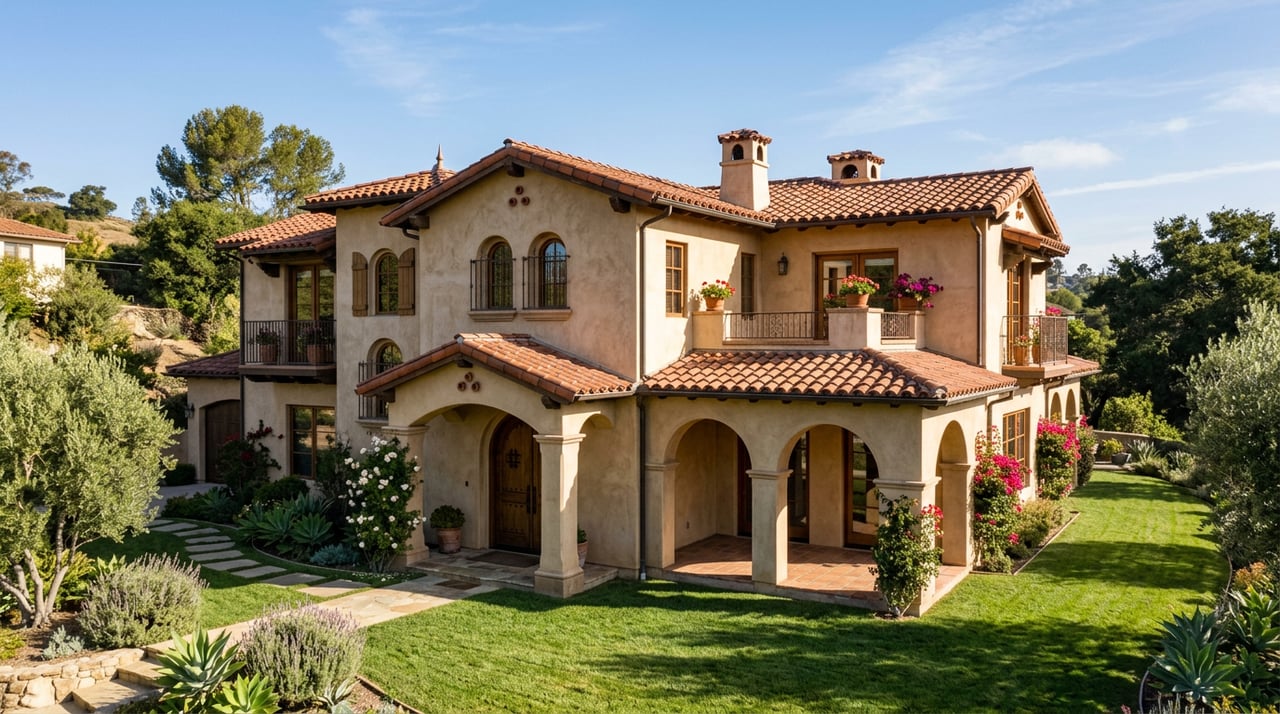
Rossmoyne is Glendale’s largest historic district, with 503 homes developed beginning in 1923 and largely built out by 1950. It is known for Period Revival architecture, especially Spanish Colonial Revival, Tudor Revival, and French-inspired homes.
Royal Boulevard is another designated historic district with similar architectural styles, mostly built between 1927 and 1948. If you love original detail, distinctive facades, and homes that feel visually rooted in place, these areas may be worth a close look.
Adams Hill and Adams Square
Adams Hill and Adams Square offer a more urban, village-like setting. City materials describe Adams Square as part of the densely populated Adams Hill neighborhood, and the area includes a historic 1936 Streamline Moderne gas station incorporated into the mini-park site.
For buyers, these pockets can appeal if you want an older neighborhood feel with a strong sense of local identity. The housing tends to feel more established, and the overall setting is different from Glendale’s larger condo and retail corridors.
What historic district rules mean for buyers
Owning in a designated historic district can come with benefits and responsibilities. Glendale’s Historic District Overlay Ordinance means exterior work in designated districts is reviewed by the Historic Preservation Commission rather than the Design Review Board.
In practical terms, that matters if you are thinking about additions, exterior changes, or major visible updates. A historic home can offer design appeal and value preservation, but you should understand the extra review layer before you buy. If you are the kind of buyer who sees renovation potential, this is one of the first due diligence items to review.
Newer builds, condos, and townhomes
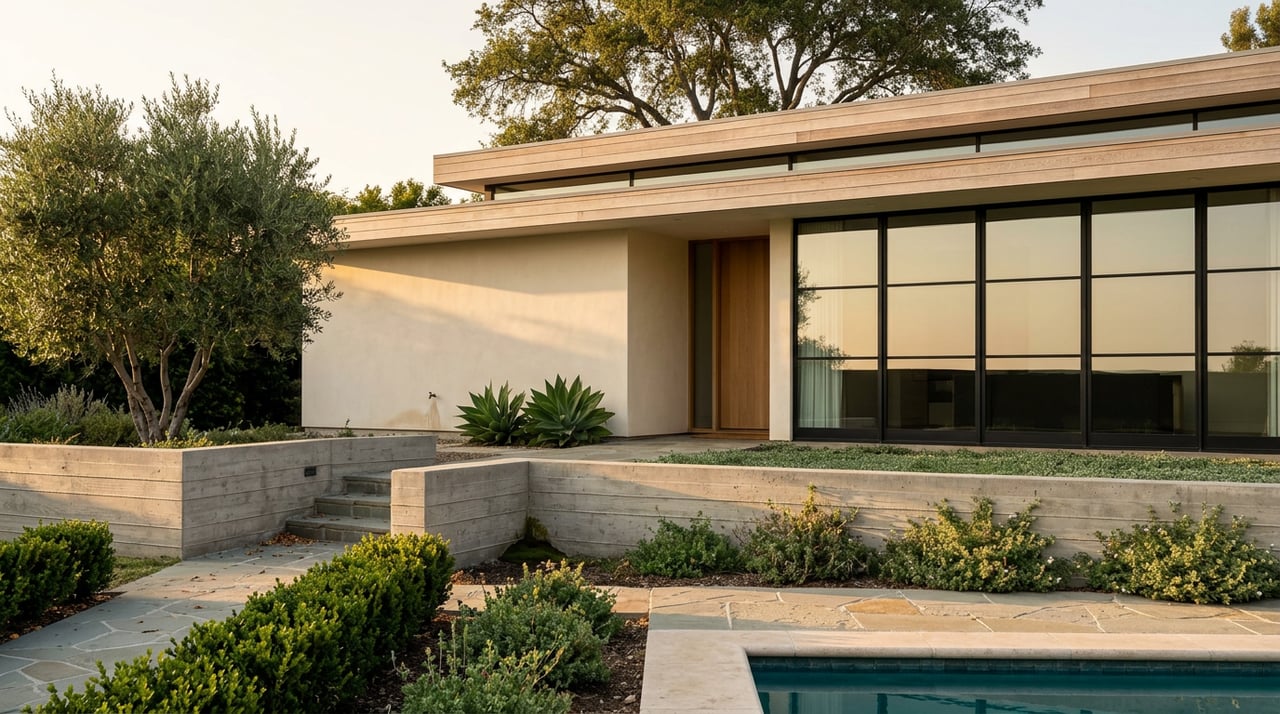
If low-maintenance living is higher on your list, Glendale has plenty to offer here too. Most newer ownership inventory in the city comes in the form of infill multifamily projects rather than large new subdivisions.
The city notes that several new luxury multi-unit developments are being built in and around downtown. That fits Glendale’s overall housing pattern, where newer options are often condos, townhomes, or smaller-scale attached housing rather than brand-new detached homes on large lots.
What newer inventory usually looks like
In Glendale, newer-build buyers often end up comparing a few different product types:
- Condos in central locations
- Townhomes with attached garages or multi-level layouts
- Smaller-lot or infill housing near commercial corridors
- Resale units in newer multi-unit developments
This can work well if you want updated systems, less exterior upkeep, or a more lock-and-leave lifestyle. It can also be a good fit if you want to stay closer to downtown shopping, restaurants, transit, or freeway access.
ADU potential and future flexibility
The city also offers a Standard Accessory Dwelling Unit Plan Program for faster review of ADU proposals. That does not mean every property is automatically a fit for an ADU, but it does show Glendale has a framework that may matter to buyers thinking about future flexibility.
If you are considering a property for multigenerational use, rental potential, or long-term adaptability, this is an area to evaluate carefully during your search. Lot shape, existing improvements, and local review requirements all matter.
Choosing by lifestyle and commute
One of the best ways to narrow your search is to start with your daily routine. Glendale’s layout creates some clear lifestyle patterns, and those can help you focus faster.
Central and south Glendale
South and central Glendale tend to work well for buyers who want convenient access to major freeways, retail, dining, and denser residential options. Downtown Glendale is the city’s largest shopping and entertainment cluster, centered around The Americana at Brand, the Glendale Galleria, theaters, and the broader Brand Boulevard corridor.
If you want a condo or townhome near activity, this part of the city often makes sense. It can also appeal if you want easier access to the Glendale Transportation Center or bus corridors.
Near the Glendale Transportation Center
The Glendale Transportation Center is a major regional hub for Amtrak, Metrolink, Greyhound, Metro, and Beeline. The city says 10 Pacific Surfliner trains serve the station daily, and 54 Metrolink trains serve it each weekday.
For buyers who care about transit access, that can be a meaningful advantage. It may shape where you look if your work or travel patterns make rail and bus connections part of your routine.
North Glendale and Montrose-adjacent areas
North Glendale and Montrose-adjacent areas often appeal to buyers who want a more suburban profile while still staying within Glendale. City planning documents describe the North Glendale area as emphasizing a rural-suburban lifestyle and neighborhood character.
That does not mean every home is newer or larger, but it does suggest a different overall setting from the denser downtown core. If more space and a quieter residential feel matter most, these areas may deserve extra attention.
How to decide between old and new
There is no one right answer. The better question is which tradeoffs best match the way you want to live.
Here is a simple way to think about it:
| If you want... | You may prefer... |
|---|---|
| Architectural character and period detail | Historic districts like Rossmoyne or Royal Boulevard |
| A neighborhood-village feel in an older setting | Adams Hill or Adams Square |
| Lower-maintenance ownership | Central Glendale condos or townhomes |
| Easier access to shopping and transit | Downtown or nearby central corridors |
| More detached housing and a suburban feel | North Glendale or Montrose-adjacent pockets |
Historic homes often reward buyers who appreciate craftsmanship, can budget for maintenance, and are comfortable with added review for exterior changes in designated districts. Newer condos and townhomes often work better for buyers who prioritize convenience, updated finishes, and simpler upkeep.
Smart buyer steps before you make an offer
In a competitive market like Glendale, clarity matters. Before you fall in love with a home, it helps to know exactly what you are solving for.
Make your must-have list specific
Try to rank what matters most to you:
- Home style and architectural character
- Budget and monthly payment comfort
- Commute method and travel time
- Maintenance tolerance
- Interest in future updates or expansion
- Preference for walkable retail areas or quieter residential streets
This keeps you from comparing homes that are not really competing with each other. A historic Spanish home and a newer downtown condo may both be great options, but usually not for the same reasons.
Review city rules early
If you are buying an older home, especially in a designated historic district, learn what city review may apply to exterior work. If you are buying for future ADU potential or renovation upside, confirm what is realistic before you build that into your plan.
Doing this early can save you time, money, and frustration. It can also help you write a cleaner offer with better expectations.
Stay realistic about competition
Glendale buyers should be ready for competition, especially when a home is well-priced, well-presented, or located in a sought-after pocket. With about six offers on average in Redfin’s March 2026 snapshot, the strongest buyers are usually the ones who are prepared, decisive, and strategic.
That does not mean rushing. It means understanding value, knowing your ceiling, and moving with confidence when the right property shows up.
Final thoughts on buying in Glendale
Glendale works well for a wide range of buyers because it offers real contrast. You can chase architectural history in a district like Rossmoyne, look for an older foothill home with more breathing room, or focus on a newer condo or townhome near the city’s main commercial core.
The key is to match the home not just to your budget, but to your lifestyle, your design preferences, and your plans for the next several years. If you want thoughtful guidance on character homes, renovation potential, or how to compete intelligently in Glendale, Alyssa Valentine + Anselm Clinard can help you navigate the search with clarity and a calm, strategic approach.
FAQs
What types of homes can you buy in Glendale?
- Glendale offers a mix of single-family homes, condos, townhomes, duplex and fourplex properties, and larger multifamily buildings, with a large share of the city’s housing in multifamily formats.
What should you know before buying a historic home in Glendale?
- If you buy in a designated historic district like Rossmoyne or Royal Boulevard, exterior changes may be reviewed by Glendale’s Historic Preservation Commission, so it is smart to understand those rules before you purchase.
Where can you find newer homes in Glendale?
- Most newer ownership options in Glendale are condos, townhomes, and infill multifamily developments, especially in and around downtown, rather than large new detached-home subdivisions.
What is the Glendale housing market like for buyers?
- Glendale remains competitive, with market snapshots showing strong prices, multiple offers on average, and homes often moving in a little over a month.
Which parts of Glendale may fit different buyer lifestyles?
- Central and south Glendale may suit buyers who want shopping, transit, and freeway access, while north Glendale and Montrose-adjacent areas may appeal to buyers looking for a more suburban residential setting.